Pumping in the NICU: The One Thing I Could Control
- thismamasdiary
- Jan 6
- 3 min read
Pumping was the one place I felt a sense of control during my entire NICU journey. So much felt out of my hands, but this was something I could do for them.
I also put a lot of pressure on myself to produce enough milk. In the NICU, there is a strong emphasis on how important breast milk is for premature babies, especially while they’re still in the hospital. That pressure can feel heavy, and I want to be honest about that as I share my experience.
The First Hours After Birth: Hand Expression
About 3–4 hours after giving birth, I started hand expressing.
Nothing came out.
It wasn’t comfortable, and it honestly felt discouraging. I want to say this clearly because it matters: this is completely normal. If nothing comes out at first, it does not mean your body isn’t working or that you won’t produce milk.
Just focus on gentle compression, and don’t stress if you see nothing in the beginning. The stimulation itself is important.
Starting the Pump: Hospital-Grade Support
Soon after, I started pumping using a hospital-grade Medela pump. These pumps are very expensive, and I was fortunate that the hospital provided one for me while my baby was in the NICU.
Once I was home, I used the Medela Sonata pump.
My first few pumping sessions produced no milk. I pumped for 20 minutes every 2 hours, even when nothing came out. After some time, I started to see tiny amounts of a thick, sticky liquid called colostrum.
The amount was so small that I had to use a tiny syringe to collect it directly from my nipple.
Colostrum is often called liquid gold, and truly, every single drop is incredibly valuable for your baby.
Pumping After Skin-to-Skin: More Milk and More Connection
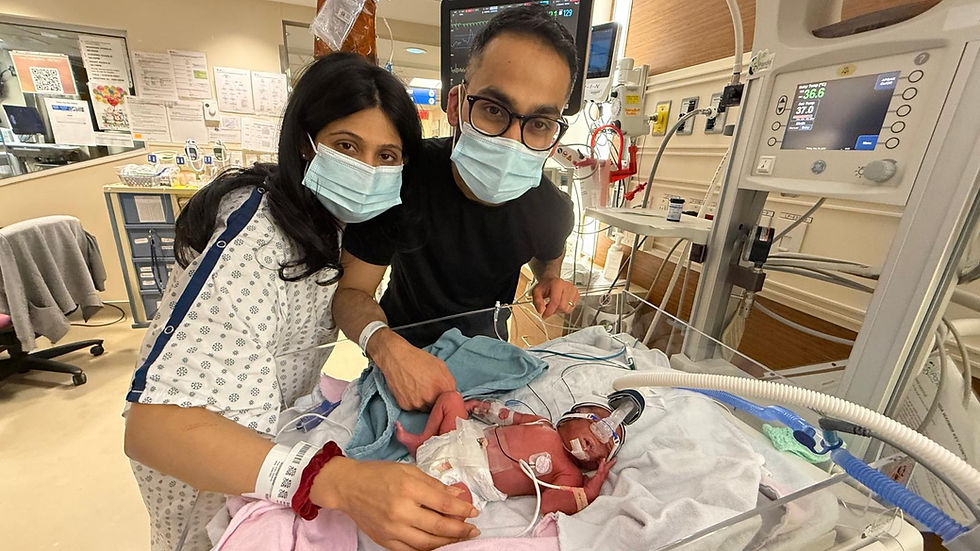
One thing that made a noticeable difference for me was pumping right after skin-to-skin time with my baby.
Almost every time I did skin-to-skin and then pumped, I produced more milk. There’s a physiological reason for this: skin-to-skin helps release oxytocin, the hormone responsible for milk letdown. But beyond the science, my body simply responded better when my baby had just been on my chest.
Skin-to-skin was also one of the most powerful ways I bonded with my baby in the NICU. When so much of their care is medical and monitored, those moments of closeness matter deeply.
Building Supply: Consistency Over Everything
For about three weeks, I pumped 10 times a day, doing 20-minute sessions each time.
That meant pumping every 2 hours, with one 4-hour stretch of sleep at night. It was exhausting, there’s no way around that. But it slowly turned into a bit of a game for me, because every few days I noticed my supply increasing.
I kept a log where I wrote down how much I pumped at each session and then added up the total at the end of the day. Watching the numbers rise gave me motivation to keep going.
By the end of three weeks, I was producing around 800–1000 ml of milk per day.
Adjusting the Schedule Once Supply Was Established
Once my supply was established, I reduced to 8 pumps a day, but I continued tracking my output to make sure my supply didn’t drop.
I also stopped pumping for a strict 20 minutes every session. Instead, I pumped for 10–12 minutes, until my breasts felt empty.
This part is key: emptying your breasts is what signals your body to make more milk.
In the early weeks, you cannot skip night pumps. Not until your milk supply is well established. Night pumping plays a major role in building and maintaining supply.
Producing More Than My Baby Needed
Because my baby wasn’t full term yet, I was producing far more milk than he needed at the time.
All of that extra milk was frozen, and I was able to use it later once we were home. Knowing I had that freezer stash gave me peace of mind during a very uncertain time.
A Gentle Reminder
Every NICU journey is different. Every body is different. This is not a checklist you have to follow or a standard you need to meet.
This is simply what worked for me.
If you’re pumping in the NICU and feeling discouraged, behind, or exhausted, you’re not failing. You’re doing something incredibly hard under incredibly stressful circumstances. And even the smallest drops matter more than you know.


Comments